












Hartford, Chicago or Des Moines? Best US Base for UK Insurtech
US insurance is regulated by 56 separate jurisdictions, not one federal body, which shapes where a UK insurtech should base its American team. We compare Hartford, Chicago and Des Moines on carrier access, actuarial talent and the employment rules that changed in two of the three states.

Research Triangle, Indianapolis or Philadelphia? Best US Base for UK Pharma
Pharmaceutical companies have pledged more than $370 billion to US manufacturing over five years, and three regions are taking most of it. We compare Research Triangle, Indianapolis and Philadelphia for UK pharma companies placing manufacturing and commercial teams, rather than discovery science.

Greenville, Detroit or Columbus? Best US Base for UK Advanced Manufacturing
European manufacturers have been building American plants for forty years, and most of them did not pick the cities UK firms expect. We compare Greenville, Detroit and Columbus on engineering talent, supplier depth and employment rules, with a clear read on which bets have actually paid off.

Huntsville, Colorado Springs or Los Angeles? Best US Base for UK Aerospace and Space
US Space Command moved to Huntsville in 2025, and UK aerospace companies are redrawing their expansion maps around it. We compare Huntsville, Colorado Springs and Los Angeles on talent, customers and employment law, plus the export control rule that restricts what your British engineers can touch.

Sending Employees From the UK to the USA | Employer Checklist
Sending an employee from the UK to the USA is a set of employer decisions before it is a relocation. This guide covers what to settle and document: the transfer type, legal employer, pay, pension, payroll tax, benefits and first-week paperwork. It ends with a timeline.

Northern Virginia, Austin or San Antonio? Best US Base for UK Cybersecurity
UK cybersecurity companies expanding to the US face one decision that shapes everything else: whether they want federal government work. We compare Northern Virginia, Austin and San Antonio on talent, cost and employment law, including the ownership rules that catch British firms chasing classified contracts.

Houston, Denver or Pittsburgh? Best US Base for UK Cleantech
US federal energy policy shifted in late 2025, and it changed how a UK cleantech company should choose a US base. We compare Houston, Denver and Pittsburgh on industrial demand, talent and state employment rules, with a clear view of what federal support can and cannot be relied on now.

Austin, Denver or Atlanta? Best US Base for UK SaaS
UK SaaS companies expanding to the US usually shortlist Austin, Denver and Atlanta. The three differ less on talent than on cost and compliance load. We compare engineering depth, salary pressure and state employment rules, including the one that creates real work for a small team.

New York, Charlotte or Miami? Best US Base for UK Fintech
Where a UK fintech puts its first US team decides who it can sell to, what the payroll costs and which employment rules bind its contracts. We compare New York, Charlotte and Miami on buyers, licensing, talent and state law, with the hiring decisions each location forces.

Nashville, Houston or Boston? Where UK HealthTech Should Build Its US Team
Where you base your first US team affects your costs, the talent you can hire and your access to hospital buyers. We compare Nashville, Houston and Boston for UK HealthTech companies. We also cover how employment law, payroll tax and hiring rules differ in each state.

US Feedback and Performance Culture: Why Direct Is Not the Same as Harsh
American feedback culture is neither as blunt as it looks nor as soft as it feels. It is strategically framed, legally significant, and far more frequent than most international managers expect. Understanding how it works is essential to managing performance and retaining US talent effectively.
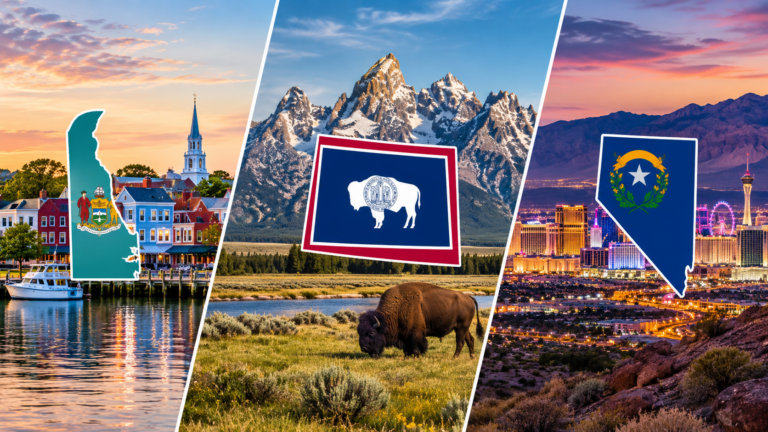
Best State to Form a US Company | Delaware vs Wyoming vs Nevada
Delaware if you are raising outside capital, Wyoming if you are bootstrapped and want the lowest ongoing cost, and Nevada rarely, because its privacy reputation does not survive contact with its own filing requirements. For most founders the state matters less than the internet suggests, because operating anywhere other than your state of incorporation usually means registering there as well.
