


The Greenland-NATO headlines dominating European news right now feel alarming – and your concerns about what this means for business are understandable. Political volatility can create real economic consequences. However, here’s what the data shows: nothing has changed for business operations on the ground. American GDP grew 4.4% in Q3 2025, the strongest performance in two years, while corporate profits increased $175.6 billion and consumer spending remained robust. This is your guide to separating political theater from business reality.
If you’re a European business leader watching the Greenland-NATO situation unfold, you’re probably wondering what this means for your US expansion plans. Your caution is rational. Political instability can affect trade relationships, currency markets, and business confidence. These concerns deserve serious consideration. And if you find these political developments troubling on ethical grounds, that’s a valid factor in your decision-making process too.
Yet here’s what the evidence reveals: the business fundamentals remain unchanged.
President Trump’s January 2026 statements about Greenland, including threats of military force and 25% tariffs on European nations, sparked genuine diplomatic tension. Denmark’s defense ministry listed the US as a security threat for the first time ever. NATO Secretary General Mark Rutte scrambled to arrange emergency meetings in Davos. The headlines screamed crisis.
Then, within days, Trump reversed course. After meeting with Rutte on January 21, he announced a “framework of a future deal” and withdrew all tariff threats. What changed? Nothing fundamental. Europe stood firm, markets reacted negatively to volatility, and Trump pivoted to claim victory on Arctic security cooperation.
This entire episode illustrates the importance of distinguishing between political noise and genuine business impacts – and maintaining the strategic mindset to move forward based on fundamentals rather than headlines.
Understanding Political Posturing vs. Policy Reality
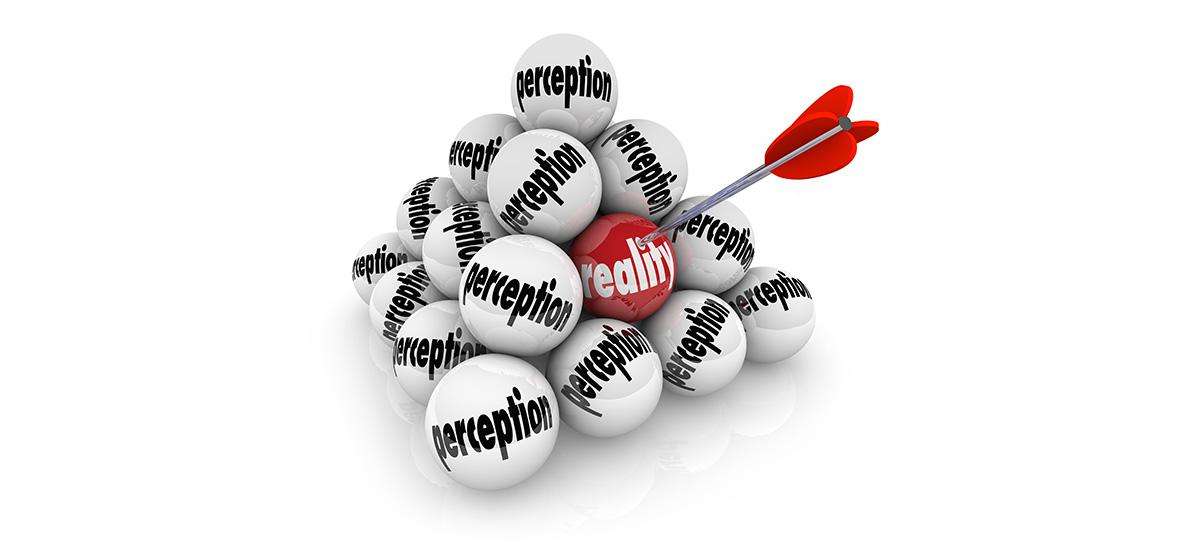
The Greenland situation represents classic American political theater. While the rhetoric was unprecedented (threatening a NATO ally with military action to acquire territory), the actual business impact was zero.
During the height of tensions in mid-January, the US Bureau of Economic Analysis released Q3 2025 GDP figures showing the economy grew at an annualized rate of 4.4%. Consumer spending increased 3.5%. Corporate profits jumped $175.6 billion in the quarter. Exports surged 9.6%.
The fundamentals didn’t pause for political drama. American businesses kept operating, consumers kept spending, and the economic engine kept running.
Here’s what some European CEOs may not fully realize: American political volatility is often noise, not signal. The US operates under a system of institutional constraints that prevent presidential whims from overturning business realities. Congress passed legislation complicating Trump’s ability to withdraw forces from Europe. The Supreme Court limits presidential tariff authority. State governments maintain independent business environments.
Your expansion decisions should be informed by market fundamentals and genuine policy changes, not reactive to every political headline – while staying alert to material shifts in business conditions.
What Actually Drives US Business Environment

State-level business conditions matter infinitely more to your operations than federal political theater. While Trump threatened Denmark, individual states continued competing aggressively for international business investment.
The SelectUSA Investment Summit (where Foothold America will be hosting a panel in May 2026) brings together companies worldwide specifically because state-level opportunities remain strong regardless of federal noise. States offer tax incentives, workforce development programs, and infrastructure investments designed to attract international businesses, including European companies.
Your success in America depends on choosing the right state for your operations, understanding local employment laws, and building relationships within specific regional markets. None of that changed during the Greenland crisis. None of that will change during the next political controversy.
Consider the practical reality: whether Trump tweets about Greenland or NATO spending has zero impact on your ability to hire talent in Texas, serve customers in California, or establish operations in Massachusetts. Your business operates at the state and local level, where political drama from Washington is background noise.
Sound US market entry decisions should be based on fundamentals: market demand for your product, competitive landscape, regulatory environment, talent availability, and cost structure – informed by awareness of potential political impacts on your specific situation.
The Federal vs. State Business Reality
Some European businesses may overestimate federal government impact on daily operations. The American federal system deliberately distributes power, creating substantial insulation between political noise and business reality.
Employment law operates primarily at the state level. Health insurance regulations vary by state. Business licensing happens at state and local levels. Tax incentives come from states. Even environmental regulations often have state-specific implementation.
When you choose your incorporation state, you’re navigating state incorporation laws, not federal political dynamics. When you hire your first US employees, you’re complying with state employment requirements, not responding to NATO controversies.
This matters enormously for risk assessment. Companies sometimes delay expansion because of federal political uncertainty, missing the fact that state-level business environments remain stable and attractive regardless of Washington drama.
| Federal Level | State Level |
|---|---|
| Trade policy framework | Business incorporation |
| Immigration rules | Employment law specifics |
| Federal tax structure | State taxes and incentives |
| Broad regulations | Licensing requirements |
| Political theatre | Operational reality |
The Greenland situation played out entirely at the federal level. Your business operations happen at the state level. That separation provides protection against political volatility.
Cultural Intelligence: Understanding American Political Noise
Americans are culturally comfortable with political drama that would trigger government crises in most European countries. This reflects fundamental differences in how political systems work and how citizens relate to government.
American political culture celebrates confrontation, expects dramatic rhetoric, and assumes constant institutional tension. What looks like chaos to European observers often represents normal democratic function to Americans. The system is designed for conflict between branches, between parties, and between levels of government.
During the Greenland crisis, American business leaders continued operating normally because they understood the difference between political performance and actual policy change. European leaders watching the same news sometimes felt paralyzed by uncertainty.
This cultural gap can create competitive disadvantage. While some companies pause to “wait and see” how political situations resolve, others move forward based on business fundamentals and the strategic mindset to execute in dynamic environments.
Successful expansion requires developing cultural intelligence about American political dynamics. This means understanding that dramatic headlines rarely translate to immediate business impact, that institutional constraints limit presidential power, and that state-level business environments operate independently of federal political theatre.
The companies that thrive in the US market are those that can filter signal from noise, focusing on market opportunities while maintaining awareness of genuine risks.
What You Should Actually Monitor: Your Expansion Readiness Checklist
Instead of tracking every Trump statement, focus on metrics and actions that actually impact your business success.
Economic Indicators to Watch
Monitor these reliable economic metrics from authoritative sources:
GDP Growth and Consumer Spending:
- Track quarterly GDP reports from the Bureau of Economic Analysis
- Monitor consumer confidence index from the Conference Board
- Review monthly retail sales data showing actual purchasing patterns
Employment and Labor Market:
- Check Bureau of Labor Statistics monthly employment reports
- Monitor unemployment rates in your target states specifically
- Review wage growth trends for your industry and target roles
Business Formation and Investment:
- Track new business applications via Census Bureau
- Monitor foreign direct investment trends by sector and region
- Review venture capital activity in your industry
State-Level Business Climate Assessment
Evaluate states based on tangible business factors, not political headlines:
Tax and Regulatory Environment:
- Review Tax Foundation’s State Business Tax Climate Index
- Check state-specific incentive programs for your industry
- Understand state-by-state employment regulations
Talent and Workforce:
- Analyze salary benchmarks for your target roles by state
- Research university partnerships and workforce development programs
- Assess competition for talent in your specific sector
Operational Costs:
- Compare real estate costs across target markets
- Evaluate utilities, transportation, and logistics infrastructure
- Calculate total cost of employment including benefits and taxes
Your Operational Readiness Assessment
Evaluate your actual preparedness for US operations:
Legal and Compliance Infrastructure:
- Decide on entity structure (LLC, C-Corp, or EOR approach)
- Selected incorporation state based on business needs
- Understand timeline and requirements for obtaining EIN
- Identify registered agent and business address requirements
- Research business licensing for your industry
Employment and HR Readiness:
- Research US employment compliance requirements
- Understand multi-state hiring complexities if applicable
- Plan for health insurance and benefits administration
- Create salary structures complying with pay transparency laws
- Develop employee handbook meeting US requirements
Financial Systems:
- Identify US banking partners and account opening requirements
- Establish payroll processing systems or partner
- Set up accounting systems for US tax compliance
Cultural and Operational Preparation:
- Team received cultural intelligence training for US market
- Adapted business communication styles for American expectations
- Planned for time zone coordination with European headquarters
- Established customer service infrastructure meeting US standards
Market Validation Activities
Test market demand through concrete actions, not political speculation:
Customer Development:
- Conduct customer interviews with target US buyers
- Test pricing with actual American prospects
- Validate product-market fit through pilot programs
- Gather competitive intelligence from target markets
Distribution and Partnerships:
- Identify potential distribution partners in target regions
- Test go-to-market strategies with limited trials
- Build relationships with industry associations
- Attend relevant industry conferences and events
Regulatory and Compliance Testing:
- Verify product compliance with US regulations for your industry
- Test licensing requirements in target states
- Understand immigration requirements for key personnel
- Review IP protection and trademark registration needs
Why This Matters for Your 2026 Expansion Timeline
Here’s the strategic reality: every month companies delay expansion based on political uncertainty is a month competitors gain market position.
The Greenland situation perfectly demonstrates why political headlines make poor expansion timing indicators. Companies that paused planning during the mid-January crisis missed nothing except opportunity cost. The “framework deal” announced January 21 essentially maintained the status quo, exactly where things were before the controversy.
Market entry timing should be based on your business readiness, competitive dynamics, and operational capacity – not political news cycles. Success comes from having market demand for your product and the preparation to serve it, while monitoring for genuine economic impacts that require strategy adjustments.
Goldman Sachs forecasts US GDP growth of 2.5% in 2026, above consensus economist estimates. The Federal Reserve Bank of Atlanta’s GDPNow model projects Q4 2025 growth at 5.4%. Consumer spending remains strong. Corporate profits are rising.
Those are the signals. Greenland headlines are noise.
The companies that will dominate 2026 are those making expansion decisions based on business fundamentals and maintaining the strategic mindset to execute effectively – moving forward while others remain distracted by political theater. Speed to market creates competitive advantage when you’re prepared to capitalize on it.

The Bottom Line
The Greenland-NATO situation changed nothing about American business fundamentals. GDP growth remains strong, consumer spending continues, and state-level business environments stay competitive. Your expansion strategy should be informed by market realities and genuine policy impacts – not reactive to every political headline.
Your concerns about political volatility are legitimate and deserve consideration. The key is distinguishing between noise (dramatic rhetoric with no business impact) and signal (actual policy changes affecting operations). This requires both market knowledge and cultural intelligence about how American political systems function.
Companies that develop this capability gain competitive advantage. While some pause to analyze every controversy, others move forward based on solid fundamentals – prepared to adjust strategy if genuine risks materialize, but not paralyzed by political theater.
Ready to focus on fundamentals while staying alert to real risks? Learn about our comprehensive services, designed specifically for European companies expanding to America. We’ll be at SelectUSA Summit in May 2026 if you’d like to discuss your expansion in person.